Fade for Wavy Hair: Best Styles, Barber Advice, and Styling Tips
Fade for Wavy Hair: Best Styles, Barber Advice, and Styling Tips
A fade for wavy hair is one of the most effective haircut combinations because it brings structure to a texture that already has natural movement. Waves add personality and flow to the top, while the fade keeps the perimeter clean, defined, and easy to maintain. That balance is exactly why this style works so well for men who want a haircut that looks both natural and intentional.
Wavy hair sits in a useful middle ground. It is not as straight as flat hair and not as curly as full coil patterns. That means the right fade can make waves look sharper, more organized, and more visible. In this guide, you will learn what makes a fade work well with wavy hair, which fade levels suit different wave types, what to ask your barber, and how to style waves so the haircut stays fresh between visits.
What Is a Fade for Wavy Hair?
A fade for wavy hair is a haircut that combines a gradual taper or fade on the sides and back with enough length and shape on top to show the natural wave pattern. The fade can be low, mid, high, or skin-tight depending on the look the user wants, but the top is always cut and styled to keep the waves visible and controlled.
What makes this combination so effective is contrast. Wavy hair naturally draws the eye because of its movement and texture. When the sides are faded cleanly, the waves on top become the clear focal point. The haircut feels shaped rather than overgrown, and the wave pattern looks more deliberate.
Unlike straight hair cuts where the fade does most of the work, a fade for wavy hair has to balance two things: enough side cleanup for a sharp outline, and enough top length to keep the wave pattern from disappearing.
Who Should Get a Fade for Wavy Hair?
This haircut is ideal for men with natural wavy hair who want a cleaner, more structured look without losing the texture that makes their hair stand out. It works especially well for readers who want a haircut that looks styled but not overworked.
This style usually works well for:
– men with loose, medium, or tight wave patterns
– users who want cleaner edges without straightening their texture
– anyone whose waves become bulky or undefined around the sides
– men who want a modern haircut that still feels natural
– people willing to style the top regularly for best results
Because wavy hair can look different depending on length and product use, this page should help the reader choose the right fade level for his specific wave type.
Fade for Wavy Hair vs Similar Haircuts
Fade for Wavy Hair vs Fade for Straight Hair
Straight hair usually creates a sharper and more uniform fade line because the hair lies flatter. Wavy hair adds texture and movement, which can make the fade look softer and more natural. A fade for wavy hair often needs slightly more length on top to maintain the wave pattern compared with a straight-hair fade.
Fade for Wavy Hair vs Fade for Curly Hair
Curly hair creates more volume and a stronger visual contrast with the fade. Wavy hair is subtler. The fade for wavy hair usually keeps the top more controlled, while a curly fade can afford more fullness. The styling approach is also different — waves need brushing and light products, while curls need definition and moisture.
Low Fade vs Mid Fade for Wavy Hair
A low fade keeps the sides softer and makes the waves the main focus. A mid fade adds more visible structure and can make the wavy top stand out more clearly. The best choice depends on how much contrast the user wants and how often he is willing to maintain the fade.
Skin Fade for Wavy Hair vs Taper Fade for Wavy Hair
A skin fade creates the strongest contrast and makes waves look the most dramatic. A taper fade keeps the finish softer and more wearable. Skin fade works for bold styles, while taper fade is better for everyday wear.
Best Fade for Wavy Hair Styles
Low Fade with Wavy Hair
This is one of the most natural-looking versions. The low fade keeps the sides soft while the waves remain the main attraction. It is ideal for men who want a clean haircut without a harsh transition.
Mid Fade with Wavy Hair
A mid fade adds more structure and makes the haircut feel more modern. The waves still dominate the top, but the fade creates a cleaner frame. This version works well for men who want sharper edges without going too high
High Fade with Wavy Hair
A high fade creates the strongest contrast and makes waves look the most prominent. This version is best for men who want a bold, attention-grabbing style and do not mind more frequent maintenance.
Skin Fade with Wavy Hair
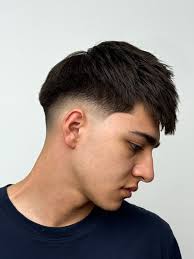
The skin fade takes the sides down to the skin, creating maximum contrast with the wavy top. This is a high-impact look that works especially well for men with dense wave patterns who want a dramatic barbershop finish.
Taper Fade with Wavy Hair
A taper fade keeps the cleanup focused around the natural edges. It is softer and easier to maintain than a full skin fade. This version works well for men who want defined edges without too much contrast.
Fade with Brushed Waves
This version emphasizes the wave pattern through regular brushing and styling. The fade keeps the sides clean while the waves are trained into a visible, organized pattern on top. It requires consistent brushing and light product use.
Fade with Messy Wavy Top
For a more relaxed look, the waves are left looser and less defined. The fade provides the structure while the top stays casual and natural. This is a good option for men who want a modern haircut without spending too much time styling.
Why Wavy Hair and Fades Work So Well Together
Wavy hair naturally creates movement, but without a clean perimeter, it can look undefined or bulky. A fade solves that problem by giving the haircut a sharp outer frame. The contrast between the clean sides and the textured top is what makes the style visually effective.
Another reason the combination works is that waves do not need as much product or styling effort as curls to look good with a fade. A simple brush, light cream, or sea salt spray is often enough to keep the waves visible and the haircut fresh.
From a content perspective, this page is important because wavy hair is one of the most common hair types. Serving this audience with a dedicated page strengthens your hair-type coverage and supports internal linking to fade-level pages like low fade, mid fade, and skin fade.
What to Ask Your Barber
When asking for a fade with wavy hair, the key is to describe both the fade level and how you want the waves handled on top.
A better request would be:
“I want a fade for wavy hair. Keep the fade [low/mid/high] and leave enough length on top so my waves show clearly. Clean the edges but do not take too much off the top.”
You should also tell your barber:
– whether you want a low, mid, or high fade
– whether you want a skin fade or a softer taper fade
– how much wave length you want to keep on top
– whether you want the waves brushed forward, to the side, or natural
– whether you want a lineup or a softer hairline
– whether the fade should blend into a beard
Reference photos are very helpful here. Wavy hair can look different depending on density and wave tightness, so showing examples removes guesswork.
How to Style Waves with a Fade
The fade does most of the work on the sides. The styling focus should be on the wavy top.
For defined visible waves:
– brush the hair regularly in the direction of the wave pattern
– use a light wave cream, pomade, or styling lotion
– avoid heavy products that weigh down the waves
– use a durag or wave cap at night to keep the pattern compressed
For a natural wavy finish:
– use a sea salt spray or light texture cream
– let the hair dry with natural movement
– avoid over-brushing if you want a softer look
– use fingers instead of a comb for separation
For a messy wavy top:
– use a matte paste or clay
– apply lightly and separate with fingers
– keep the waves loose rather than tightly defined
The key is to match the styling effort to the look you want. Defined waves need more brushing and product. Natural waves need less
How Often Should You Maintain It?
Most fade haircuts for wavy hair look best with maintenance every 2 to 3 weeks. The fade area usually needs refreshment sooner than the top.
One advantage of this haircut is that you can maintain the fade without always cutting the top. That means you can keep growing or shaping the waves while the sides stay sharp.
Common Mistakes to Avoid
One common mistake is taking too much off the top. Wavy hair needs enough length to show the wave pattern. If the top is cut too short, the waves may disappear or look uneven.
Another mistake is choosing a fade that is too high for the wave type. A high fade on loose waves can create too much contrast and make the top look thin. A low or mid fade is usually safer for most wave patterns.
A third mistake is using the wrong products. Heavy gels or greasy pomades can flatten waves and ruin the natural texture. Light, water-based products usually work better.
The visuals on this page should show different fade levels with wavy top styles.
Strong image choices include:
– low fade with wavy hair side view
– mid fade with brushed waves
– high fade with wavy top
– skin fade with wavy hair
– taper fade with natural waves
– messy wavy top with fade
– wavy fade with beard blend
– barber reference image for fade with wavy hair
These images help the reader compare fade height, wave definition, and overall shape.